by mav admin2 | Oct 28, 2025 | Applied Behavior Analysis, Art therapy
Halloween is one of the most exciting times of the year, but it can also be overwhelming for children on the autism spectrum. From costumes and trick-or-treating to parties and decorations, the holiday can create sensory overload or behavioral challenges. At Autism Centers of Utah in Sandy, we provide strategies to help families celebrate Halloween safely while supporting ABA therapy goals.
With the right preparation, Halloween can be a fun and inclusive experience for children of all sensory needs.
Why Halloween Can Be Challenging
The sights, sounds, and activities of Halloween can affect children with autism in various ways:
- Loud noises from parties or decorations may cause anxiety.
- Crowded spaces during trick-or-treating can be overwhelming.
- Certain costumes or masks may be uncomfortable or restrictive.
- Unexpected changes in routine can trigger stress or meltdowns.
- Planning ahead and incorporating sensory-friendly strategies can make the holiday enjoyable and safe.
Sensory-Friendly Halloween Tips
1. Choose Comfortable Costumes
Opt for soft, breathable fabrics and avoid masks or costumes that restrict movement. Allow your child to participate in costume selection to ensure comfort and confidence.
2. Plan Trick-or-Treating Routes
Select quieter neighborhoods or visit during less crowded times. Consider shorter routes with plenty of breaks to reduce sensory overload.
3. Use Visual Schedules and Social Stories
Visual schedules and social stories can help children anticipate what to expect during Halloween events, including parties, trick-or-treating, and school activities.
4. Offer Alternative Celebrations
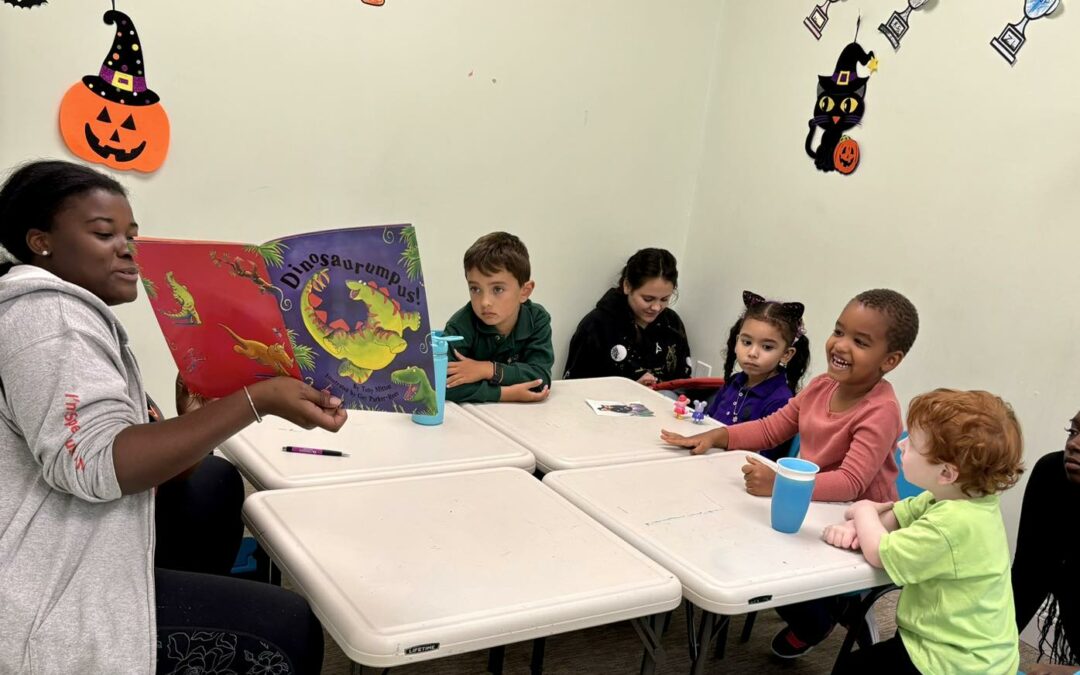
Host a small, sensory-friendly Halloween party at home or at school with familiar decorations, snacks, and games to reduce stress.
5. Reinforce Positive Behavior
Use ABA strategies to reinforce appropriate behaviors, such as sharing candy, waiting turns, or following directions during activities.
FAQs
Q: Can my child participate in Halloween activities if they have sensory sensitivities?
A: Yes! With planning, visual supports, and sensory-friendly adjustments, children can enjoy Halloween safely.
Q: How do I handle trick-or-treating with a child who has anxiety?
A: Choose quieter neighborhoods, plan shorter routes, and bring a familiar adult for support. Prepare your child using social stories and visual schedules.
Q: Are there ways to make school Halloween parties more inclusive?
A: Yes! Speak with teachers about sensory-friendly activities, quiet spaces, and accommodations to help your child participate comfortably.
Q: How can ABA therapy help during Halloween?
A: ABA strategies can reinforce social skills, positive behavior, and coping mechanisms during potentially overwhelming events like Halloween.
Make Halloween Fun and Safe
Halloween doesn’t have to be stressful for children on the autism spectrum. By planning ahead, using sensory-friendly strategies, and reinforcing ABA therapy skills, families can enjoy a safe, fun, and memorable holiday.
Contact Autism Centers of Utah today to learn more about our individualized ABA therapy programs in Sandy and how we support children in celebrating life’s special moments safely and successfully!
by mav admin2 | Oct 28, 2025 | Applied Behavior Analysis, Autism
The start of the school year can be both exciting and challenging for children on the autism spectrum. For children receiving ABA therapy, transitions can sometimes cause anxiety or behavioral challenges. At Autism Centers of Utah in Sandy, we understand how important it is to provide strategies and support to make the back-to-school transition smoother and more successful.
With the right preparation and guidance, families can help their children adapt to new schedules, social situations, and classroom routines while continuing to reinforce ABA therapy goals.
Why Back-to-School Transitions Can Be Difficult
Changes in routine, unfamiliar environments, and new social demands can make the beginning of the school year stressful for children with autism. These challenges may manifest as:
- Increased anxiety or meltdowns
- Difficulty following instructions or adapting to changes
- Struggles with social interactions and peer engagement
- Resistance to new routines or classroom expectations
Structured support and proactive strategies can help children adjust more easily.
Strategies to Support a Smooth Transition
1. Establish a Consistent Routine
Before school starts, gradually adjust wake-up times, meal schedules, and bedtime routines to match the school schedule. Consistency helps children feel secure and prepared for the change.
2. Use Visual Schedules and Social Stories
Visual supports, including schedules, charts, or social stories, help children understand daily routines, classroom expectations, and new activities.
3. Practice School Skills at Home
Encourage skills such as following directions, completing tasks, and social interactions through short, structured practice sessions that mirror the school environment.
4. Communicate with Teachers and Staff
Share information about your child’s strengths, challenges, and ABA therapy goals with teachers and staff. Collaboration ensures a supportive environment for learning and social engagement.
5. Prepare for Sensory Needs
Identify potential triggers in the classroom and plan strategies to help your child regulate sensory input, such as providing fidget tools, quiet breaks, or sensory-friendly materials.
FAQs
Q: How can ABA therapy support school transitions?
A: ABA therapy can reinforce social, behavioral, and academic skills needed for school. Therapists can provide strategies for managing anxiety, following routines, and interacting with peers.
Q: What should I do if my child resists going to school?
A: Gradual exposure, positive reinforcement, and visual supports can help. Communicate with teachers and therapists to create a supportive plan.
Q: How long does it take for a child to adjust to a new school routine?
A: Adjustment times vary. Some children adapt in days, while others may need several weeks. Consistency, support, and reinforcement help facilitate the transition.
Q: Can these strategies be used for children of all ages?
A: Yes! Visual supports, structured routines, and practice activities can be adapted for children of different ages and developmental levels.
Make Back-to-School Transitions Easier
With proactive planning, consistent routines, and collaboration with teachers and therapists, October can be a smooth and successful start to the school year for children on the autism spectrum. Supporting your child through transitions ensures they can focus on learning, socializing, and thriving in the classroom.
Contact Autism Centers of Utah today to learn more about our individualized ABA therapy programs in Sandy and how we help children succeed both at school and in everyday life!
by mav admin2 | Oct 28, 2025 | Applied Behavior Analysis, Autism
October brings crisp air, colorful leaves, and the perfect opportunity for outdoor fun on the Treasure Coast. For children receiving ABA therapy, outdoor activities can do more than entertain—they can reinforce social, behavioral, and life skills in real-world settings. At Autism Centers of Utah in Sandy, we encourage families to combine seasonal outdoor activities with therapeutic strategies to support ongoing development.
Why Outdoor Activities Matter for ABA Therapy
Outdoor activities provide a natural and engaging way to practice skills learned in therapy. Fresh air and physical movement can:
- Reduce stress and sensory overload.
- Improve focus and attention during therapy sessions.
- Encourage social interaction with peers and family members.
- Reinforce communication, cooperation, and problem-solving skills.
Fall Outdoor Activities to Support ABA Goals
1. Nature Walks and Leaf Collection
Collecting leaves or identifying trees can help children practice:
- Communication Skills: Naming colors, shapes, and objects.
- Observation Skills: Recognizing patterns and differences.
- Following Directions: Completing a structured activity step by step.
2. Pumpkin Picking and Decorating
Pumpkin activities are fun and versatile for ABA therapy:
- Fine Motor Skills: Carving, painting, or drawing on pumpkins.
- Turn-Taking and Sharing: Taking turns picking or decorating.
- Problem-Solving: Figuring out how to balance or decorate a pumpkin effectively.
3. Backyard Obstacle Courses
Create a safe obstacle course using leaves, cones, and other fall-themed props to:
- Encourage physical coordination and gross motor skills.
- Practice patience, following instructions, and waiting turns.
- Reinforce positive behaviors with praise and rewards.
4. Sensory-Friendly Fall Play
Set up sensory bins with leaves, acorns, or small pumpkins to:
- Promote tactile exploration and sensory integration.
- Support focus and attention during structured activities.
- Encourage imaginative play while reinforcing social skills.
Tips for Maximizing ABA Benefits Outdoors
- Prepare Visual Supports: Use visual schedules or cue cards to guide activities.
- Set Clear Expectations: Explain the rules and desired behaviors before starting.
- Use Reinforcement: Praise and rewards can motivate children and reinforce positive behavior.
- Keep Sessions Short: Break activities into manageable intervals to avoid fatigue or frustration.
- Observe and Adapt: Tailor activities to your child’s preferences and skill level for maximum engagement.
FAQs
Q: Can outdoor fall activities replace therapy sessions?
A: Outdoor activities should complement, not replace, ABA therapy. They provide real-world opportunities to practice skills in a fun, natural setting.
Q: How can I make pumpkin patch visits therapeutic?
A: Encourage communication, turn-taking, following directions, and problem-solving during the visit. Bring a small checklist or activity guide to structure the experience.
Q: Are outdoor activities safe for children with sensory sensitivities?
A: Yes! Modify activities to suit your child’s needs, avoid overstimulating environments, and provide sensory breaks when necessary.
Q: How often should outdoor activities be incorporated into ABA routines?
A: Even short, frequent sessions a few times a week can reinforce therapy skills and support overall development.
Make Fall Fun and Educational
October is a wonderful time to bring ABA therapy into the outdoors. By incorporating fall-themed activities like pumpkin picking, nature walks, and sensory play, families can reinforce social, behavioral, and life skills while enjoying the season.
Contact Autism Centers of Utah today to learn more about our individualized ABA therapy programs in Sandy and how we help children grow in every aspect of life—both inside and outside the therapy center!
by mav admin2 | Oct 28, 2025 | Applied Behavior Analysis, Autism
October brings cooler weather, changing leaves, and seasonal activities—but it can also disrupt routines for children receiving ABA therapy. At Autism Centers of Utah in Sandy, we understand how vital consistency is for children on the autism spectrum. Maintaining predictable routines during the fall season can significantly support your child’s progress in social, behavioral, and life skills.
Our evidence-based, individualized ABA programs are designed to help children thrive both inside our therapy center and in their everyday lives. Here’s how fall routines can play a role in maximizing therapy outcomes.
Why Consistent Routines Matter in ABA Therapy
Routines provide structure, predictability, and a sense of security for children with autism. During ABA therapy, consistency helps reinforce learned behaviors, supports new skill acquisition, and reduces anxiety. The transition into fall—school schedules, extracurricular activities, and seasonal events—can make maintaining routine challenging, but it is also an opportunity to integrate therapy goals into daily life.
Tips for Supporting ABA Therapy with Fall Routines
1. Keep a Predictable Daily Schedule
Even as daylight hours change and activities shift, maintaining consistent wake-up times, therapy sessions, meals, and bedtime routines helps children feel secure and focused.
2. Incorporate Seasonal Activities Into Learning
Autumn activities like pumpkin picking, leaf raking, or simple nature walks can be used to reinforce ABA therapy skills:
- Communication Skills: Asking for items or describing objects.
- Social Skills: Sharing tasks or taking turns.
- Behavioral Skills: Following directions and engaging in structured play.
3. Prepare for Schedule Changes
Halloween events, school field trips, and family gatherings may disrupt routines. Preparing your child ahead of time and creating visual schedules or social stories can reduce anxiety and help them adapt successfully.
4. Use ABA Strategies at Home
Parents can practice therapy strategies during seasonal routines, such as reinforcing positive behaviors, using prompting techniques, and encouraging problem-solving in real-life scenarios.
FAQs
Q: How can I maintain ABA therapy consistency during holidays and seasonal events?
A: Plan ahead using visual schedules, social stories, and maintaining key routines like meals, sleep, and therapy practice. Integrate therapy goals into holiday activities when possible.
Q: Can outdoor fall activities support ABA therapy goals?
A: Absolutely! Activities like nature walks, pumpkin patch visits, or raking leaves can reinforce communication, social, and motor skills in fun, natural settings.
Q: What should I do if my child struggles with transitions during October events?
A: Prepare them ahead of time with visual aids, brief practice sessions, and step-by-step guidance. Gradually introduce changes to reduce anxiety and reinforce coping strategies.
Q: How do routines impact long-term ABA therapy outcomes?
A: Consistent routines provide stability and structure, which help children retain learned skills, adapt to new situations, and generalize behaviors into daily life.
Support Your Child’s ABA Therapy This Fall
Fall doesn’t have to disrupt your child’s progress. By maintaining consistent routines, incorporating seasonal activities, and practicing ABA strategies at home, you can help your child continue to grow and thrive.
Contact Autism Centers of Utah today to learn more about our individualized ABA therapy programs in Sandy and how we can support your child’s development year-round!
by mav admin2 | Sep 27, 2025 | Autism
Children with autism and developmental delays benefit most from a comprehensive, collaborative approach to therapy. By integrating multiple disciplines—such as speech therapy, occupational therapy, and behavioral support—children receive care that addresses all aspects of their development. At Autism Centers of Utah, we provide state-of-the-art therapy tailored to each child’s unique needs, helping them reach their full potential.
1. Multi-Disciplinary Support
Collaborative therapy involves professionals from different specialties working together to create a coordinated treatment plan. This ensures that every aspect of a child’s development, from communication to motor skills, is addressed effectively.
2. Personalized Therapy Plans
Every child is unique. A collaborative approach allows therapists to customize interventions based on the child’s strengths, challenges, and goals. This leads to more effective therapy outcomes and meaningful progress.
3. Consistent Communication Between Therapists and Parents
Regular updates and shared strategies between therapists and parents strengthen the child’s development. Parents learn techniques to reinforce progress at home, creating a consistent and supportive environment.
4. Addressing Multiple Areas of Development
Collaborative therapy ensures that children receive attention in areas such as:
- Speech and language development
- Social and emotional skills
- Motor coordination and sensory integration
- Behavior and daily living skills
By tackling multiple areas simultaneously, children make faster and more sustainable progress.
5. Building Confidence and Independence
When children receive comprehensive support, they gain confidence, develop independence, and improve their ability to interact with peers and their environment. Collaborative therapy fosters skills that last a lifetime.
Support Your Child’s Growth with Autism Centers of Utah
Autism Centers of Utah in Utah provides a holistic, collaborative approach to therapy for children with autism and developmental delays. Our expert team works together to create personalized care plans that help your child thrive.
📞 Call us today to schedule a consultation and discover how collaborative therapy can support your child’s growth and development.