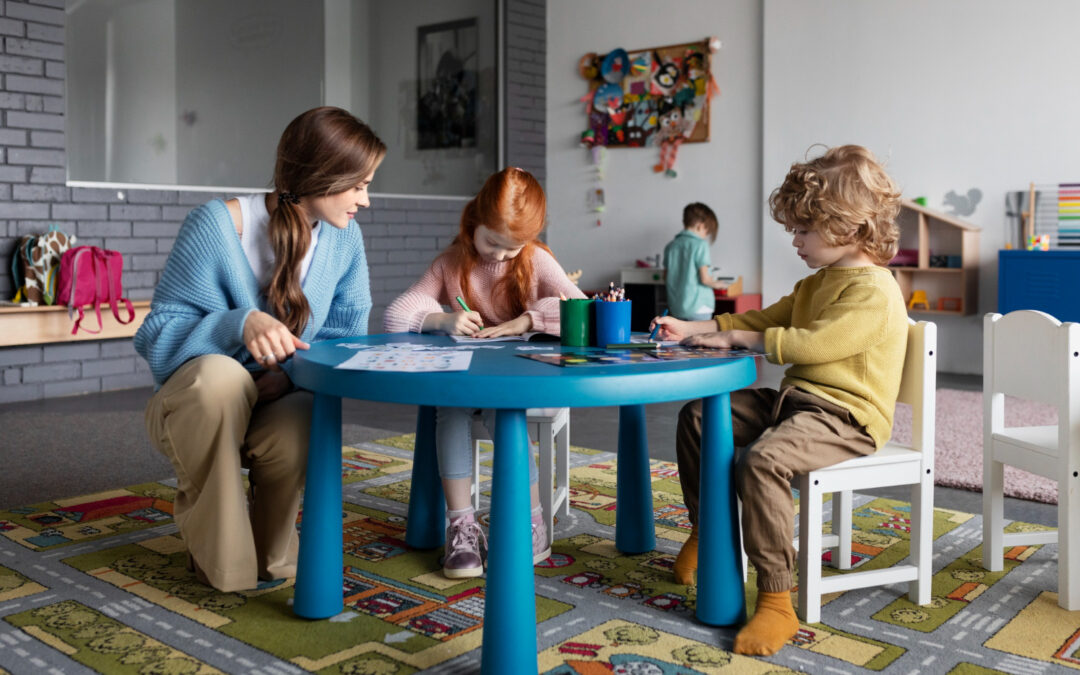

How to schedule autism therapy appointment near Utah

How to schedule autism therapy appointment near Utah

Finding the right place for autism therapy can feel overwhelming, especially when navigating schedules and options in Utah. Families searching for “Autism therapy appointment Utah” often want clear guidance on availability, location, and the steps to arrange a session. Autism Centers of Utah provides support for individuals with autism, offering services that allow families to connect with therapy sessions in a convenient and structured way. Scheduling an autism therapy appointment in Utah involves understanding the types of therapy offered, the consultation process, and the practical steps to secure an appointment that fits daily life.

Steps Required to Schedule ABA Therapy Consultation Utah

ABA therapy, or Applied Behavior Analysis, is one of the common approaches used to support individuals with autism. For families looking to schedule ABA therapy Utah, the first step is to request a consultation. The consultation typically includes a discussion of developmental history, current needs, and observations of behavior. During this initial appointment, therapists assess individual needs and outline potential therapy options. This step ensures that families understand what ABA therapy entails and how it may fit within the daily routine. Autism Centers of Utah assists with scheduling ABA therapy consultation Utah so families can easily plan their first visit.

How Families Can Prepare for Autism Therapy Appointment Utah

Preparing for an autism therapy appointment Utah involves gathering relevant information about the individual’s behavior, medical history, and previous interventions. Families can write down observations, questions, and goals to discuss during the consultation. Knowing what to expect during the first session can help reduce anxiety and make the experience more productive. Autism Centers of Utah provides guidance for families on how to prepare for ABA therapy sessions, including tips on sharing information with therapists and understanding session structure. Being organized before scheduling an appointment can ensure smoother communication and better planning for therapy sessions.

Understanding ABA Therapy Options Before Scheduling Utah

Before scheduling ABA therapy Utah, it is important to understand the types of ABA therapy available. Different programs may focus on specific behavioral skills, communication development, or social interactions. Learning about therapy options allows families to make informed decisions and choose sessions that match individual needs. Autism Centers of Utah offers a variety of ABA therapy services and helps families identify which program might be suitable. Understanding these options before scheduling ensures that families are aware of session frequency, duration, and goals before committing to regular appointments.

Choosing Convenient Locations for Autism Therapy Appointment Utah

Location is an important factor when arranging an autism therapy appointment Utah. Families often look for centers that are accessible from home, school, or work. Autism Centers of Utah has multiple locations to accommodate different schedules and travel considerations. Choosing a convenient location can reduce stress for both the individual receiving therapy and the family, making attendance more consistent. Scheduling a session at a nearby center also allows families to maintain routine while accessing ABA therapy services without difficulty.

Tips for Scheduling ABA Therapy Consultation Utah Smoothly

Scheduling ABA therapy consultation Utah can be simplified by contacting the center directly and providing necessary details. Families may need to share contact information, insurance coverage, and preferred times for sessions. Autism Centers of Utah can guide families through available time slots and answer questions about therapy programs. Maintaining flexibility while scheduling ensures that appointments can be arranged according to family routines and therapy availability. Proper communication with the center helps families secure sessions without confusion or delays.

Common Considerations When Scheduling Autism Therapy Appointment Utah

When planning an autism therapy appointment Utah, families often consider session timing, frequency, and therapy goals. Consistency is important in ABA therapy, so selecting a schedule that aligns with the individual’s daily life is essential. Autism Centers of Utah works with families to find session times that fit school, extracurricular activities, and home routines. Additionally, understanding insurance coverage and any required paperwork helps prevent delays. Clear planning before scheduling an appointment allows families to focus on therapy rather than administrative concerns.

Understanding Insurance and Payment for ABA Therapy Utah

Insurance coverage is often a significant factor when scheduling ABA therapy Utah. Families may need to confirm coverage, obtain referrals, or provide documentation for therapy sessions. Autism Centers of Utah assists families in understanding insurance requirements and offers guidance for submitting claims or verifying benefits. Being informed about payment options ensures that therapy sessions can proceed without interruptions. Scheduling appointments while accounting for insurance considerations allows families to maintain consistent therapy attendance and plan for ongoing sessions.

How to Follow Up After Autism Therapy Appointment Utah

After attending an autism therapy appointment Utah, families may receive feedback from therapists regarding progress and next steps. Follow-up appointments are important for tracking development, adjusting therapy approaches, and discussing new goals. Autism Centers of Utah encourages families to schedule follow-up sessions and communicate openly with therapists. Regular check-ins after initial appointments ensure that therapy sessions remain aligned with individual needs and provide opportunities to discuss any questions or concerns.

Ways to Maintain Consistent ABA Therapy Schedule Utah

Maintaining consistency in ABA therapy sessions is important for progress. Families can set reminders, plan transportation, and coordinate with schools or caregivers to ensure appointments are kept. Autism Centers of Utah supports families in maintaining a consistent schedule and provides flexibility for rescheduling when necessary. Developing a routine around therapy attendance helps individuals feel comfortable and allows for continuous skill development. Consistent engagement in ABA therapy ensures that families can observe improvements and adapt strategies as needed.

Common Questions About Autism Therapy Appointment Utah

What is the first step to schedule autism therapy in Utah?

Contact a center, provide necessary information, and request an appointment. Autism Centers of Utah helps coordinate initial sessions.

How long does an ABA therapy consultation last in Utah?

Consultations typically last 60 to 90 minutes to assess needs and plan therapy.

Do I need insurance to schedule ABA therapy Utah?

Insurance can assist with payment, but some options are available for families without coverage.

Can appointments be scheduled online for autism therapy in Utah?

Yes, Autism Centers of Utah offers online scheduling and phone assistance.

How often should ABA therapy sessions occur after consultation in Utah?

Frequency depends on individual needs, availability, and therapy goals

Where Can I Find Early Autism Services for Toddlers?

Where Can I Find Early Autism Services for Toddlers?

Parents often notice early signs that their toddler may be developing differently, such as limited eye contact, delayed speech, or challenges with social interaction. These moments can bring questions, concern, and a strong desire to act quickly. Finding Early autism services for toddlers can make a meaningful difference in helping young children build communication, social, and daily living skills during their most important years of development. Families in Utah have access to a range of early childhood autism therapy options designed specifically for toddlers. Understanding where to start, what services are available, and how early intervention works can help parents feel more confident and supported as they move forward.

Understanding Early Autism Services for Toddlers

Early autism services for toddlers focus on identifying and supporting developmental needs as early as possible, often between 18 months and 4 years of age. These services are based on research showing that the toddler years are a key period for learning new skills. Early childhood autism therapy works by supporting communication, social engagement, play skills, and behavior in ways that fit naturally into a child’s daily routines. Families searching for autism services for toddlers in Utah often find that programs emphasize family involvement, consistent routines, and age-appropriate strategies that help children learn through play and interaction.

Why Early Intervention Matters for Young Children

Early intervention autism Utah programs are designed to support children at a stage when the brain is rapidly developing. When toddlers receive support early, they often gain skills that help them participate more fully in family life, preschool settings, and social environments. Early autism services for toddlers can help children develop ways to express their needs, understand others, and engage with their surroundings. Parents also gain tools and guidance that help them support learning at home, making progress part of everyday life rather than something limited to therapy sessions.

Common Signs That Lead Families to Seek Services

Many parents begin looking for early autism services for toddlers after noticing certain developmental differences. These signs may include limited use of words or gestures, reduced response to name, repetitive behaviors, difficulty with transitions, or limited interest in playing with others. While every child develops at their own pace, early childhood autism therapy programs can help determine whether additional support may be helpful. Families in Utah often start by speaking with their pediatrician and then exploring early intervention autism Utah resources available in their community.

Types of Early Autism Services Available for Toddlers

Autism services for toddlers Utah families encounter often include a mix of developmental and behavioral approaches. One commonly used option is ABA therapy for toddlers Utah, which focuses on teaching skills in small, manageable steps using positive reinforcement. Early childhood autism therapy may also include speech and language support, social play guidance, and parent coaching. These services are usually provided in settings that are comfortable for young children, such as clinics, homes, or early learning environments. The goal is to help toddlers learn skills that support communication, play, and daily routines.

How ABA Therapy Supports Toddlers

ABA therapy for toddlers Utah programs are designed to meet young children where they are developmentally. For toddlers, sessions often look like structured play, shared activities, and guided interaction rather than formal instruction. Early autism services for toddlers using ABA principles focus on encouraging communication, building attention skills, and supporting positive behaviors. Parents are often involved in sessions so they can learn strategies to use at home. This collaborative approach helps create consistency between therapy and daily life, which is especially helpful during early childhood.

Finding Early Intervention Autism Services in Utah

Families searching for early intervention autism Utah services can begin by exploring state and local resources. Utah offers early intervention programs for children under age three, as well as private centers that specialize in autism services for toddlers Utah families rely on. Pediatricians, developmental specialists, and local health departments often provide referrals and guidance. Autism Centers of Utah is one organization that focuses on early autism services for toddlers, offering structured programs designed to support developmental growth during the early years.

What to Expect When Starting Services

Starting Early childhood autism therapy can feel overwhelming at first, but most programs begin with an assessment to understand a child’s strengths and needs. This process helps determine which early autism services for toddlers may be appropriate. Once services begin, families usually see a focus on routine-based learning, play skills, and communication. ABA therapy for toddlers Utah often includes short, engaging activities that fit a toddler’s attention span. Progress is typically reviewed regularly so goals can change as the child grows and develops new skills.

How Families Are Supported Along the Way

Early autism services for toddlers are not only about the child; they also support parents and caregivers. Many autism services for toddlers Utah programs include parent education, coaching, and regular communication. Families learn how to encourage skill development during meals, playtime, and daily routines. This shared approach helps parents feel more confident and involved, while also supporting consistency across environments. Early intervention autism Utah programs recognize that families play a central role in a toddler’s learning and development.

One Helpful Way Parents Can Prepare

Parents who are beginning their search for early autism services for toddlers often find it helpful to take a few practical steps:

  • Keep notes about developmental concerns and milestones
  • Ask pediatricians for referrals to early intervention autism Utah programs
  • Learn about early childhood autism therapy options in their area
  • Reach out to autism services for toddlers Utah providers for intake information
  • Prepare questions about ABA therapy for toddlers Utah and parent involvement

These steps can help families feel more organized and confident as they explore available support.

Choosing the Right Autism Services for Your Toddler

Every child is unique, and finding the right early autism services for toddlers involves considering several factors. Families may think about location, schedule, therapy approach, and how services fit into their daily lives. Autism Centers of Utah works with families to provide early childhood autism therapy that supports both the child and the family system. By focusing on early intervention autism Utah options that encourage growth through play and interaction, families can choose services that feel supportive and sustainable.

Long-Term Benefits of Early Support

While every child’s journey is different, early autism services for toddlers can lay a strong foundation for future learning. Skills developed during early childhood autism therapy often support smoother transitions into preschool and other social settings. ABA therapy for toddlers Utah programs aim to help children develop communication and social skills that grow with them over time. Families who access autism services for toddlers Utah early often report feeling more prepared to support their child’s ongoing development.

Moving Forward With Confidence

Finding early autism services for toddlers is an important step that reflects care, attention, and commitment to a child’s development. Utah families have access to early intervention autism Utah programs designed to support toddlers during a key stage of growth. With guidance from trusted providers like Autism Centers of Utah, families can explore early childhood autism therapy options that support learning, communication, and connection. Taking action early can help families feel supported and informed as they move forward together.

Frequently Asked Questions

What age can toddlers start early autism services?

Early autism services for toddlers often begin as early as 18 months, depending on developmental needs and available programs. Early intervention autism Utah services typically serve children under age three.

Do I need a diagnosis to begin services?

Some early childhood autism therapy programs do not require a formal diagnosis to start services. Families can contact autism services for toddlers Utah providers to learn about eligibility requirements.

How often does ABA therapy occur for toddlers?

ABA therapy for toddlers Utah varies by program and child needs. Many toddlers attend sessions multiple times per week in short, play-based formats.

Are parents involved in early autism services?

Yes, early autism services for toddlers often include parent coaching and involvement. Families play an active role in supporting learning at home.

Where can I find early autism services in Utah?

Families can find early intervention autism Utah programs through state services, pediatric referrals, and organizations such as Autism Centers of Utah.

Where Can I Find Licensed ABA Therapists in Utah?

Where Can I Find Licensed ABA Therapists in Utah?

Finding licensed ABA therapists near Utah can feel overwhelming for families who are searching for meaningful behavioral support for a child with autism or related developmental needs. Utah has a growing network of ABA therapists, Board Certified Behavior Analysts, and licensed ABA providers, but knowing where to look, what credentials matter, and how to begin services is often unclear. This guide walks you through how and where to find ABA therapists in Utah, what licensing means, and how Autism Centers of Utah supports families throughout the process.

Understanding ABA Therapy and Why Licensing Matters

Applied Behavior Analysis, commonly known as ABA therapy, focuses on helping individuals build daily living, communication, and social skills using research-based behavioral strategies. In Utah, ABA therapy is regulated to protect families and ensure ethical service delivery. Licensed ABA therapists must meet education requirements, complete supervised fieldwork, and follow state and national standards.

When searching for licensed ABA therapists near Utah, licensing confirms that the provider has met state requirements and follows accepted behavioral practices. This matters for safety, consistency, and insurance eligibility.

Who Provides ABA Therapy in Utah?

ABA therapy in Utah is delivered by a team of trained individuals who work together. Families may interact with different roles depending on the child’s needs and the service setting.

A Board Certified Behavior Analyst in Utah is responsible for assessment, treatment planning, and ongoing supervision. These clinicians hold national certification and state licensure. ABA therapists in Utah, sometimes called behavior technicians, carry out therapy sessions under supervision. Licensed ABA providers oversee care coordination, parent collaboration, and progress monitoring.

Autism Centers of Utah connects families with licensed ABA therapists near Utah who work as part of a coordinated care team.

Where Families Can Find Licensed ABA Therapists Near Utah

Many families begin their search online using phrases like “licensed ABA providers near me” or “ABA therapists in Utah.” While search engines can list options, it’s important to verify credentials, service availability, and experience with autism.

Autism Centers of Utah serves families across the state by offering access to licensed ABA therapists in clinic-based, home-based, and community settings. Their team includes Board Certified Behavior Analysts in Utah who guide treatment planning and ensure services meet state standards.

Local pediatricians, school districts, and early intervention programs also often refer families to licensed ABA providers near Utah. These referrals can help narrow down trusted options.

ABA Therapy Settings Available in Utah

ABA therapy services in Utah are delivered in several environments depending on family preference and child needs. Clinic-based programs offer structured spaces for skill development and peer interaction. Home-based ABA allows therapy to take place in familiar surroundings, supporting daily routines. Community-based services focus on social skills, safety awareness, and real-world practice.

Autism Centers of Utah offers multiple service settings so families can choose what fits their child and schedule.

What to Look for When Choosing ABA Therapists in Utah

Choosing among ABA therapists in Utah involves more than availability. Families should feel confident in communication, transparency, and collaboration. Ask whether the provider is licensed in Utah, supervised by a Board Certified Behavior Analyst, and experienced in working with children at a similar developmental stage.

It’s also helpful to understand how progress is measured, how often caregivers are involved, and how goals are adjusted over time. Licensed ABA therapists near Utah should welcome family questions and provide clear explanations.

Insurance and Funding Options in Utah

Many licensed ABA providers near Utah accept major insurance plans, including Medicaid and private insurers, depending on coverage. Utah law requires certain insurance plans to cover autism-related services, including ABA therapy. Autism Centers of Utah assists families in navigating insurance verification, authorizations, and paperwork so services can begin without unnecessary delays.

Why Families Choose Autism Centers of Utah

Autism Centers of Utah focuses on connecting families with licensed ABA therapists near Utah who understand local regulations and community needs. Their services are guided by Board Certified Behavior Analysts in Utah and delivered by trained ABA therapists across multiple regions. Families receive support from intake through ongoing care coordination, helping reduce stress during the process.

Signs It May Be Time to Start ABA Therapy

Families often explore ABA therapy when they notice challenges with communication, daily routines, emotional regulation, or social interaction. Early access to licensed ABA therapists near Utah can support skill development during key learning periods. Pediatricians, educators, and therapists often recommend ABA therapy as part of a broader support plan.

How to Get Started with Licensed ABA Providers Near Me

Beginning ABA therapy usually starts with an intake process. Families share developmental history, insurance details, and goals. A Board Certified Behavior Analyst in Utah completes an assessment and designs a care plan. Once approved, licensed ABA therapists begin working directly with the child while maintaining regular progress reviews.

Autism Centers of Utah offers guidance at every step so families know what to expect.

One Helpful Checklist Before Contacting ABA Providers

  • Confirm Utah licensure and BCBA supervision
  • Ask about service locations and scheduling
  • Review insurance acceptance and authorization steps
  • Understand parent involvement expectations
  • Ask how progress is reviewed and updated

Long-Term Support and Family Involvement

ABA therapy works best when families are involved and informed. Licensed ABA therapists near Utah often collaborate with caregivers to support consistency across home, school, and community environments. Autism Centers of Utah encourages open communication so families feel confident and supported throughout services.

Frequently Asked Questions

How do I verify if ABA therapists in Utah are licensed?

You can verify licensure through Utah’s state licensing database or ask the provider directly. Licensed ABA therapists near Utah should willingly share credentials.

What is the role of a Board Certified Behavior Analyst in Utah?

A Board Certified Behavior Analyst in Utah conducts assessments, designs care plans, and supervises ABA therapists to ensure services follow ethical and clinical standards.

Are licensed ABA providers near me covered by insurance?

Many licensed ABA providers near Utah accept Medicaid and private insurance plans. Coverage depends on your specific plan and authorization requirements.

How long does it take to start ABA therapy in Utah?

Timelines vary based on assessments, insurance approval, and availability. Autism Centers of Utah helps families move through the process as smoothly as possible.

Can ABA therapy be provided at home in Utah?

Yes, many ABA therapists in Utah offer home-based services depending on family preference and care recommendations.

How Parent Training Strengthens Autism Therapy Outcomes

How Parent Training Strengthens Autism Therapy Outcomes

When a child receives an autism diagnosis, therapy often becomes part of everyday life. While structured sessions play an important role, progress does not stop when therapy ends. Parent training autism programs in at Autism center of utah focus on helping caregivers understand how to support learning throughout daily routines. At Autism Center of Utah in Provo, caregiver involvement autism strategies help families maintain therapy consistency beyond scheduled sessions. This blog explains how autism parent education supports long-term skill development and family confidence.

Understanding Parent Training Within Autism Therapy

Parent training autism involves structured guidance that teaches caregivers how to support therapy goals at home. Autism parent education helps families understand autism characteristics, learning styles, and practical strategies for daily situations. Rather than relying only on therapy sessions, caregivers become active participants in the learning process, supporting steady progress across environments.

Why Caregiver Involvement Autism Approaches Matter

Children spend most of their time with family members, not therapists. Caregiver involvement autism approaches help ensure that learning continues naturally during meals, play, and outings. When parents understand therapy goals, they can reinforce skills during real-life moments. This helps children feel supported and reduces confusion caused by inconsistent expectations.

Maintaining Therapy Consistency Between Home And Clinic

Therapy consistency helps children understand expectations and routines. Parent training autism programs teach caregivers how to apply similar strategies at home that are used during sessions. Consistent language, responses, and routines help children focus on learning rather than adjusting to new rules in each setting.

Building Caregiver Confidence Through Autism Parent Education

Autism parent education helps caregivers feel more confident in supporting their child. Many parents feel uncertain about how to respond to behaviors or communication challenges. Parent training autism provides clear explanations and practical tools, helping caregivers respond calmly and thoughtfully. Confidence supports a more stable and supportive home environment.

Supporting Communication Development During Daily Activities

Communication skills grow through frequent practice. Parent training autism teaches caregivers how to support communication during everyday activities such as reading, cooking, or playtime. Autism parent education shows how to model language, encourage responses, and support interaction without pressure, allowing children to practice skills more often.

Addressing Behavior Using Caregiver Involvement Autism

Caregiver involvement autism strategies help families understand behavior rather than react to it. Autism parent education explains how communication difficulties, sensory needs, or changes in routine can influence behavior. With this understanding, caregivers can respond with supportive strategies that reduce frustration and support learning.

Strengthening Family Relationships Through Shared Understanding

Parent training autism supports stronger emotional connections within families. When caregivers understand their child’s needs and communication style, interactions feel more meaningful. Children benefit from feeling understood and supported, which helps build trust and emotional security within the family.

Creating Predictable Routines Supporting Daily Learning

Predictable routines support learning and reduce anxiety. Parent training autism helps caregivers create daily schedules that align with therapy goals. Therapy consistency becomes easier when routines remain familiar. Autism parent education also helps families introduce changes gradually, supporting flexibility over time.

Helping Children Use Skills Across Settings

One common challenge in autism therapy is using skills outside the therapy setting. Caregiver involvement autism approaches encourage practicing skills in different environments such as stores, parks, or family gatherings. Parent training autism helps children understand that skills are useful in many situations, not just during sessions.

Reducing Family Stress Through Practical Knowledge

Autism parent education helps reduce caregiver stress by providing clear guidance and realistic expectations. Parent training autism programs often address common concerns and daily challenges. When caregivers feel informed and supported, they are better equipped to support their child consistently.

Collaboration Between Families And Therapy Teams

At Autism Center of Utah in Provo, collaboration with families is a key part of care. Parent training autism encourages regular communication between caregivers and therapy teams. Sharing observations from home helps support therapy consistency and allows goals to reflect real-life experiences.

Respecting Family Values In Autism Parent Education

Autism parent education respects family values, routines, and cultural practices. Parent training autism programs help caregivers adapt strategies in ways that feel natural at home. This respectful approach supports long-term caregiver involvement autism without disrupting family life.

Long Term Impact Of Parent Training Autism

The benefits of parent training autism continue as children grow. Skills learned by caregivers support transitions, school experiences, and social situations. Therapy consistency established early helps families respond to new challenges with confidence and understanding.

Importance Of Local Autism Support In Provo

Local resources help families feel supported within their community. Autism Center of Utah in Provo provides parent training autism programs that reflect local schools and services. Caregiver involvement autism strategies are shared with awareness of community needs and daily realities.

Choosing A Parent Training Autism Program

Families often look for clear communication and practical guidance when choosing parent training autism programs. Autism parent education should feel approachable and relevant. Programs that support therapy consistency and caregiver involvement autism help families stay engaged over time.

Parents As Everyday Teachers In Autism Care

Parent training autism recognizes parents as everyday teachers. Autism parent education helps caregivers turn routine moments into learning opportunities. This approach supports steady learning without overwhelming families.

How Autism Center Of Utah Supports Families

Autism Center of Utah in Provo integrates parent training autism into therapy planning. Caregivers receive education, coaching, and ongoing communication. This approach supports therapy consistency while respecting family routines and needs.

Comparison Of Therapy With And Without Parent Training

Aspect With Parent Training Autism Without Parent Training Autism
Skill Practice Continues daily at home Limited to therapy sessions
Therapy Consistency Similar strategies across settings Varies between home and clinic
Caregiver Confidence Clear understanding and guidance Ongoing uncertainty
Skill Generalization Used in multiple environments Often limited to sessions

Final Thoughts On Parent Training Autism

Parent training autism supports families through shared understanding and consistent support. By focusing on caregiver involvement autism and therapy consistency, children receive reinforcement throughout daily life. Autism parent education helps caregivers feel informed and confident, strengthening therapy outcomes over time. Autism Center of Utah in Provo continues to support families through education and collaboration.

Frequently Asked Questions About Parent Training Autism

What Does Parent Training Autism Include

Parent training autism includes education on therapy strategies, communication support, and daily routines to reinforce learning at home.

How Does Caregiver Involvement Autism Help Children

Caregiver involvement autism allows children to practice skills consistently during everyday activities, supporting learning across settings.

Can Autism Parent Education Support Family Confidence

Yes, autism parent education helps caregivers understand behaviors and respond calmly, supporting confidence and consistency.

Is Parent Training Autism Only For Young Children

Parent training autism can support families at different stages by adapting strategies as children grow.

How Does Autism Center Of Utah Involve Parents

Autism Center of Utah in Provo includes caregivers through education, coaching, and shared goal planning to support therapy consistency.

If you want, I can also optimize this for featured snippets, schema FAQ markup, or internal link mapping for your Provo service pages.

When Should Parents in Layton Consider Feeding Therapy for Their Child?

When Should Parents in Layton Consider Feeding Therapy for Their Child?

Mealtimes are often expected to be moments of connection, but for many families in Layton, they can feel stressful and confusing. Some children struggle with textures, refuse entire food groups, gag easily, or take an unusually long time to eat. These challenges may go beyond typical picky habits and signal the need for feeding therapy for children. Feeding concerns can affect a child’s growth, daily routine, and family life. Knowing when to seek pediatric feeding therapy helps parents act early and support healthier eating patterns. At Autism Centers of Utah in Layton, families often ask when feeding therapy is the right next step. This guide walks through common signs, causes, and what parents in Layton should consider when deciding on feeding therapy.

What Is Feeding Therapy for Children?

Feeding therapy for children is a supportive service that focuses on helping kids learn how to eat a wider range of foods safely and comfortably. Pediatric feeding therapy addresses challenges such as difficulty chewing, swallowing concerns, sensory sensitivities, and behavioral struggles around food. It is often used for children with developmental delays, autism, oral motor difficulties, or strong food aversions. Feeding therapy Layton services often involve speech or occupational therapy methods that guide children step by step through positive eating experiences. The goal is to help children feel more comfortable with food while supporting nutrition and daily routines.

Common Reasons Children Struggle With Eating

Children can have feeding challenges for many reasons. Some have sensory sensitivities and find certain textures or smells overwhelming. Others may have oral motor delays that make chewing and swallowing difficult. Medical histories such as reflux, premature birth, or tube feeding can also affect eating habits. For children with autism, feeding challenges are common and may include rigid food preferences or anxiety around new foods. These difficulties can appear early or develop over time, which is why parents in Layton often seek pediatric feeding therapy when progress feels stalled.

Signs Child Needs Feeding Therapy

Recognizing early signs can help families avoid ongoing stress at mealtimes. Signs child needs feeding therapy may include eating fewer than ten foods, refusing foods based on color or texture, gagging or vomiting during meals, or extreme distress when new foods are presented. Other signs include difficulty chewing age-appropriate foods, prolonged mealtimes, reliance on specific brands, or avoiding entire food groups. Poor weight gain or frequent choking episodes are also red flags. If these behaviors persist beyond toddler years, feeding therapy for children may be worth exploring.

Picky Eating vs Feeding Disorders

Many parents wonder whether their child is just a picky eater or needs picky eating therapy. Typical picky eating usually improves with age and does not affect growth or health. Feeding disorders, however, are more intense and long-lasting. Children with feeding disorders may have strong emotional reactions to food, limited diets that impact nutrition, or physical difficulty managing food. Pediatric feeding therapy helps identify whether behaviors are developmental or require structured support. In Layton, parents often seek clarity when picky eating begins to interfere with daily life or family routines.

How Feeding Therapy Supports Child Development

Eating is tied closely to development. Feeding therapy for children helps build oral motor skills, sensory tolerance, and positive associations with food. Therapy sessions may include play-based exposure to foods, gradual texture changes, and routines that support calm meals. Pediatric feeding therapy can also reduce stress for parents by offering clear strategies to use at home. Over time, children may become more open to trying foods and participating in family meals. Feeding therapy Layton services focus on progress at a pace that feels manageable for the child and family.

Feeding Therapy and Autism Support

Children on the autism spectrum often experience feeding challenges due to sensory sensitivities and rigid routines. At Autism Centers of Utah, feeding therapy for children is often part of a broader support plan. Feeding therapy can work alongside other services such as aba therapy west jordan utah for families seeking coordinated care across locations. Addressing feeding issues can support overall daily functioning and comfort for children with autism. Early support may help prevent long-term feeding difficulties.

When Parents in Layton Should Seek an Evaluation

Parents in Layton may consider feeding therapy when mealtimes consistently feel stressful or when a child’s diet becomes increasingly limited. If growth concerns arise or if a child avoids eating with others, pediatric feeding therapy can help identify next steps. It is also helpful to seek guidance if feeding challenges affect school participation or social activities. Feeding therapy Layton providers often recommend starting with an evaluation to understand the root causes and outline goals that fit the child’s needs.

What to Expect During Pediatric Feeding Therapy

During pediatric feeding therapy, therapists observe how a child eats, interacts with food, and responds to different textures. Sessions are usually structured yet child-friendly, using encouragement and gradual exposure. Parents are often involved so strategies can be practiced at home. Feeding therapy for children focuses on building trust and reducing anxiety around food. Progress may be gradual, but consistent support helps children feel safer and more confident during meals.

Supporting Feeding Progress at Home

Parents play a key role in feeding therapy success. Creating predictable meal routines, offering a variety of foods without pressure, and modeling calm eating behaviors can support therapy goals. Avoid forcing or bargaining, as these approaches may increase stress. Pediatric feeding therapy often includes guidance for parents to help continue progress between sessions. Families in Layton find that small, steady changes can lead to meaningful improvements over time.

Choosing Feeding Therapy in Layton

When seeking feeding therapy Layton families often look for providers familiar with developmental and sensory needs. Autism Centers of Utah in Layton supports children with feeding challenges as part of a broader care approach. Families appreciate having access to services that understand autism, sensory processing, and behavior patterns related to feeding. Coordinated care helps families feel supported throughout the process.

Long-Term Impact of Early Feeding Support

Early feeding therapy for children can support healthier eating patterns as kids grow. Addressing challenges early may reduce stress around meals, support growth, and help children participate more fully in family and social activities. Pediatric feeding therapy can also build skills that carry into school years and beyond. For many Layton families, feeding therapy offers reassurance and practical tools during a challenging phase.

Final Thoughts for Layton Parents

If you are wondering whether feeding therapy is right for your child, trust your instincts. Ongoing feeding struggles are not something families have to navigate alone. Feeding therapy for children provides guidance, structure, and encouragement for both kids and parents. Autism Centers of Utah in Layton supports families through every step of the process, helping children move toward more comfortable and positive mealtimes.

Frequently Asked Questions

What age can a child start feeding therapy?

Feeding therapy for children can begin in infancy or toddlerhood if feeding concerns are present. Early support is often helpful.

Is picky eating therapy only for autism?

No, picky eating therapy supports children with and without autism who have strong food aversions or limited diets.

How long does pediatric feeding therapy last?

The length of pediatric feeding therapy varies based on the child’s needs and progress. Some children attend for months, others longer.

Can feeding therapy help with gagging or choking?

Yes, feeding therapy Layton services often address gagging, choking, and difficulty chewing through skill-building and gradual exposure.

Do parents participate in feeding therapy sessions?

Yes, parents are usually involved so strategies can be practiced at home and progress can continue outside of sessions.

Recognizing Developmental Milestones for Children with Autism

Recognizing Developmental Milestones for Children with Autism

Understanding autism developmental milestones can feel confusing for many families, especially when a child’s growth does not follow a typical timeline. Every child develops in their own way, and this is especially true for children on the autism spectrum. Rather than focusing on comparison, recognizing developmental milestones helps parents and caregivers notice patterns, celebrate progress, and seek meaningful support when needed. At Autism Centers of Utah in West Jordan Utah, families often ask how milestones differ for children with autism and what signs to look for as their child grows. This guide explains autism developmental milestones in a clear, supportive, and family-focused way, while also discussing how services such as ABA therapy West Jordan Utah can support a child’s growth journey.

What Are Autism Developmental Milestones?

Autism developmental milestones are skills and behaviors that children with autism may reach over time in areas such as communication, social interaction, play, movement, and daily living. While typical developmental charts describe when most children reach certain skills, children with autism may reach these milestones earlier, later, or in a different order. Some skills may appear strong, while others may need additional guidance. Recognizing these milestones is not about labeling a child but about understanding how they experience and interact with the world.

Early Signs in Infancy and Toddlerhood

During infancy and toddlerhood, autism developmental milestones often appear through differences in communication and social connection. Some children may smile less often or show limited eye contact. Others may not respond to their name or may seem more interested in objects than people. Delays in babbling, pointing, or using gestures can also appear. Sensory responses may stand out, such as strong reactions to sounds, textures, or lights. These early signs do not define a child’s future, but they can signal the need for closer observation and early support. Families in West Jordan Utah often reach out to Autism Centers of Utah during this stage to better understand what they are seeing and what steps they can take next.

Communication and Language Milestones

Communication is one of the most discussed autism developmental milestones. Some children with autism may speak later than peers, while others may develop a strong vocabulary but struggle with conversation or understanding social cues. Language development can include echolalia, where a child repeats words or phrases, or a preference for communicating needs through actions rather than speech. Nonverbal communication, such as facial expressions and gestures, may also develop differently. Recognizing these patterns allows caregivers to support communication in ways that match the child’s learning style, whether through spoken language, visual supports, or alternative communication systems.

Social and Emotional Development

Social milestones for children with autism often look different from typical expectations. A child may prefer playing alone, have difficulty with pretend play, or show limited interest in peer interaction. Emotional expression may be unique, with challenges in understanding others’ feelings or sharing their own. At the same time, many children with autism form strong bonds with family members and show affection in ways that are meaningful to them. Understanding autism developmental milestones in social development helps families reframe expectations and focus on connection rather than comparison.

Cognitive and Play Skills

Cognitive development and play are closely connected to autism developmental milestones. Some children with autism display intense focus on specific interests, such as letters, numbers, or certain toys. Play may be repetitive, such as lining up objects or spinning items, rather than imaginative play. These behaviors can be a source of comfort and learning. Over time, play skills can expand to include turn-taking, problem-solving, and shared activities. Recognizing how a child plays offers insight into how they learn and process information.

Motor and Sensory Milestones

Motor development is another area where autism developmental milestones may vary. Some children may experience delays in gross motor skills like running or jumping, while others may struggle with fine motor tasks such as holding a pencil or using utensils. Sensory processing differences are also common. A child might seek out movement, avoid certain textures, or become overwhelmed by noise. These sensory experiences influence daily routines, from dressing to mealtime. Understanding these milestones allows caregivers to create environments that feel safe and supportive.

Daily Living and Independence Skills

As children grow, autism developmental milestones include daily living skills such as dressing, toileting, eating, and following routines. These skills may develop gradually and may require consistent practice. Some children benefit from visual schedules or step-by-step guidance. Independence looks different for every child, and progress in daily living skills is an important milestone that supports confidence and participation in family and community life.

The Role of ABA Therapy in Milestone Development

Many families explore ABA therapy West Jordan Utah as part of their child’s support plan. Applied Behavior Analysis focuses on teaching skills through structured learning and positive reinforcement. ABA therapy can support communication, social interaction, play, and daily living skills while respecting each child’s pace. At Autism Centers of Utah in West Jordan Utah, ABA services are designed to help children practice meaningful skills in ways that fit into everyday life. Parents are often involved in the process, learning strategies they can use at home to support ongoing development.

Supporting Your Child at Home

Parents and caregivers play a central role in supporting autism developmental milestones. Simple actions such as following your child’s interests, using clear and consistent communication, and celebrating small steps can make a meaningful difference. Creating predictable routines helps children feel secure, while flexibility allows room for growth. Observing your child’s strengths and challenges provides valuable information that can guide decisions about services and support.

When to Seek Guidance

If you notice delays or differences in autism developmental milestones, seeking guidance can provide clarity and reassurance. Early identification allows families to access resources that support learning and development. Autism Centers of Utah works with families in West Jordan Utah to answer questions, provide assessments, and discuss service options such as ABA therapy. Taking this step is about understanding your child better and supporting their journey.

Looking at Progress Over Time

Progress for children with autism is not always linear. Some skills may develop quickly, while others take longer. Recognizing autism developmental milestones over time helps families focus on growth rather than timelines. Keeping notes, videos, or journals of progress can be encouraging and informative. Every milestone reached, no matter how small it may seem, represents learning and effort.

Community and Family Support

Raising a child with autism can feel overwhelming at times, but families are not alone. Community resources, support groups, and centers like Autism Centers of Utah provide connection and shared understanding. Families in West Jordan Utah often find comfort in learning from others who are on similar paths. This sense of community supports both children and caregivers as they navigate developmental milestones together.

Final Thoughts on Autism Developmental Milestones

Recognizing autism developmental milestones is about understanding, patience, and support. Each child’s journey is unique, shaped by their strengths, interests, and environment. By focusing on progress and seeking guidance when needed, families can support their children in meaningful ways. Autism Centers of Utah in West Jordan Utah remains a resource for families seeking information, services, and support related to autism developmental milestones and ABA therapy West Jordan Utah.

Frequently Asked Questions

What are autism developmental milestones?

Autism developmental milestones are skills related to communication, social interaction, play, movement, and daily living that children with autism reach over time, often in different patterns than typical development.

Do all children with autism miss milestones?

No. Some children may reach certain milestones early while needing more time in other areas. Development varies widely among children with autism.

How can ABA therapy help with developmental milestones?

ABA therapy focuses on teaching skills step by step, helping children practice communication, social, and daily living skills in supportive ways.

When should parents in West Jordan Utah seek support?

If parents notice developmental differences or delays, seeking guidance early can provide clarity and access to helpful resources.

Where can families find autism services in West Jordan Utah?

Autism Centers of Utah offers support and services, including ABA therapy West Jordan Utah, for families seeking guidance with autism developmental milestones.

Why Are Daily Living Skills Important for Autistic Children?

Why Are Daily Living Skills Important for Autistic Children?

Children with autism learn the world differently, and daily living skills play a major role in helping them participate in home, school, and community life. In West Valley City, many families focus on teaching routines, self-care, and independence skills that support long-term growth. Autism daily living skills Utah programs emphasize step-by-step learning, consistency, and family involvement. At Autism Center of Utah, children are supported through structured teaching methods that fit their learning style while respecting individual needs.

Understanding Daily Living Skills for Children with Autism

Daily living skills are the everyday tasks people use to care for themselves and navigate daily routines. For children on the autism spectrum, these skills may not develop naturally without guidance. Life skills for autism include dressing, hygiene, eating, cleaning, following schedules, and communicating needs. These skills support independence skills autism programs aim to build gradually. Children may struggle with sensory input, sequencing steps, or transitions, which makes structured learning important. Teaching daily living skills early helps children feel more confident and reduces stress for families.

Why Daily Living Skills Matter for Independence

Independence skills autism learning focuses on helping children do more on their own over time. Simple actions like brushing teeth or packing a backpack support participation in school and social settings. Autism routines give children predictability, which can reduce anxiety and challenging behaviors. When children understand what comes next, they are more willing to attempt tasks independently. Autism daily living skills Utah providers emphasize repetition, visual supports, and reinforcement to help children master these routines in a meaningful way.

The Role of ABA Therapy Services in West Valley City Utah

ABA therapy services in West Valley City Utah are widely used to teach daily living skills through evidence-based strategies. Applied Behavior Analysis focuses on breaking skills into smaller steps and teaching them through practice and positive reinforcement. At Autism Center of Utah, therapists work with children to practice real-life skills in structured and natural settings. This approach allows children to generalize skills from therapy sessions to home and community environments. Parents are often involved so routines can be practiced consistently.

Teaching Self-Care Skills Step by Step

Self-care skills are often a starting point when teaching life skills for autism. These include hand washing, toileting, bathing, grooming, and dressing. Children with autism may need visual schedules, modeling, or physical prompts to learn each step. Autism routines help children know when and how to complete these tasks. For example, a visual chart showing each step of brushing teeth can support understanding. ABA therapy services in West Valley City Utah focus on gradually reducing prompts as the child becomes more independent.

Building Mealtime and Feeding Skills

Mealtime can be challenging for children with autism due to sensory sensitivities or limited food preferences. Teaching autism daily living skills Utah programs address mealtime routines by encouraging sitting at the table, using utensils, and trying new foods at a comfortable pace. Structured routines and clear expectations help children feel safe. Therapists at Autism Center of Utah may use reinforcement and gradual exposure techniques to support feeding goals. Families are guided to continue these routines at home to maintain consistency.

Teaching Communication Within Daily Routines

Communication is closely tied to daily living skills. Children need ways to request help, express preferences, and understand instructions. Life skills for autism often include teaching functional communication using spoken words, sign language, or communication devices. Autism routines provide natural opportunities for communication practice throughout the day. For example, asking for help during dressing or requesting a snack during mealtime supports independence skills autism learning. ABA therapy services in West Valley City Utah integrate communication goals into everyday tasks.

Supporting Transitions and Time Management

Transitions between activities can be stressful for children with autism. Daily living skills include managing time and moving from one task to another. Autism routines help children prepare for changes by using visual schedules, timers, and countdowns. Teaching children what to expect reduces anxiety and resistance. Autism Center of Utah helps children practice transitions in therapy and supports families in using similar strategies at home and school.

Teaching Household and Community Skills

As children grow, daily living skills expand beyond self-care. Life skills for autism include cleaning up toys, helping with simple chores, and participating in community activities. Independence skills autism programs may teach children how to follow safety rules, shop with a caregiver, or navigate public spaces. ABA therapy services in West Valley City Utah focus on real-world practice so children can use these skills outside the therapy setting. These experiences help children feel included and capable.

The Importance of Consistent Autism Routines

Consistency is key when teaching autism daily living skills Utah families rely on. Routines help children understand expectations and feel secure. When routines are predictable, children are more likely to participate willingly. Autism Center of Utah encourages families to use consistent language, visuals, and reinforcement across settings. This shared approach helps children generalize skills and reduces confusion.

Family Involvement in Teaching Daily Living Skills

Families play a central role in teaching daily living skills. Parents and caregivers know their child best and can provide valuable insight into what motivates them. ABA therapy services in West Valley City Utah often include caregiver training so families can support learning at home. Life skills for autism are most successful when therapy strategies are practiced daily in natural environments. Autism Center of Utah works closely with families to build routines that fit their lifestyle.

Addressing Sensory Needs During Skill Development

Sensory sensitivities can impact how children learn daily living skills. Some children may avoid certain textures, sounds, or movements. Teaching independence skills autism programs consider these needs by adjusting the environment or materials. For example, using unscented soap or soft clothing may help a child tolerate self-care routines. ABA therapy services in West Valley City Utah incorporate sensory considerations to support comfort and participation.

Measuring Progress and Celebrating Small Wins

Progress in daily living skills often happens in small steps. Celebrating these achievements encourages continued learning. Autism daily living skills Utah programs track progress through data collection and observation. Families are encouraged to acknowledge efforts, not just outcomes. Autism Center of Utah emphasizes positive reinforcement to help children feel proud of their accomplishments and motivated to keep trying.

Long-Term Benefits of Daily Living Skills Instruction

Teaching daily living skills supports long-term independence and quality of life. Children who learn these skills early are better prepared for school, community involvement, and future responsibilities. Life skills for autism contribute to self-confidence and reduce reliance on others. ABA therapy services in West Valley City Utah help children build a strong foundation that supports growth across all areas of life.

Why Families in West Valley City Choose Autism Center of Utah

Families in West Valley City Utah seek services that respect their child’s learning style and family values. Autism Center of Utah provides ABA therapy services in West Valley City Utah that focus on practical daily living skills. The center supports children through structured teaching, family collaboration, and real-world practice. Autism routines, independence skills autism development, and life skills for autism are integrated into therapy plans to support meaningful progress.

Frequently Asked Questions

What are autism daily living skills?

Autism daily living skills are everyday tasks such as dressing, hygiene, eating, and following routines that help children care for themselves and participate in daily life.

How can ABA therapy help with daily living skills?

ABA therapy services in West Valley City Utah teach skills by breaking them into steps, practicing consistently, and using positive reinforcement to support learning.

At what age should daily living skills be taught?

Daily living skills can be introduced at any age, but early instruction often helps children build routines and independence over time.

How do autism routines support learning?

Autism routines provide predictability, reduce anxiety, and help children understand what is expected during daily activities.

How can families support life skills for autism at home?

Families can support learning by practicing skills daily, using visual supports, maintaining consistent routines, and working closely with Autism Center of Utah

How Parents in Sandy Can Track Progress During Autism Therapy

How Parents in Sandy Can Track Progress During Autism Therapy

Parents in Sandy and across Utah often ask how they can truly understand what is happening during their child’s autism therapy. Therapy sessions happen weekly, goals are discussed, and reports are shared, yet many families still feel unsure about real progress. Autism therapy progress tracking is not only about charts or data; it is about noticing meaningful changes in daily life, communication, learning, and independence. At Autism Centers of Utah, families are encouraged to stay actively involved so progress is clear, measurable, and meaningful. This guide explains how parents in Sandy can track progress during autism therapy in a practical, human-centered way.

Understanding Autism Therapy Progress Tracking

Autism therapy progress tracking refers to the ongoing process of observing, recording, and reviewing changes in a child’s skills and behaviors over time. In Utah, many children receive Applied Behavior Analysis services, including families seeking aba therapy salt lake city utah and nearby areas such as Sandy. Progress tracking allows parents and therapists to understand what is working, what needs adjustment, and how therapy goals connect to real-life outcomes. Measuring autism progress is not about comparing one child to another. It focuses on individual growth, skill development, and daily functioning. This approach helps parents feel confident that therapy aligns with their child’s needs and family priorities.

Why Progress Tracking Matters for Parents in Sandy

Parents are with their children far more than therapists are. This makes parent involvement therapy an important part of progress tracking. When parents understand therapy goals and methods, they can reinforce learning at home, school, and in the community. Tracking progress helps parents recognize small wins that might otherwise be missed, such as improved eye contact, smoother transitions, or new words. It also supports open communication with therapy teams at Autism Centers of Utah, ensuring everyone shares the same understanding of progress.

Setting Clear Therapy Goals From the Start

Progress tracking begins with clear, realistic goals. During the initial assessment process, therapists work with parents to identify strengths, challenges, and priorities. Goals may focus on communication, social skills, daily living tasks, or behavior regulation. Therapy milestones autism are typically broken down into smaller, achievable steps so progress can be seen more clearly. Parents in Sandy should feel comfortable asking questions about why certain goals are chosen and how success will be measured. Clear goals create a shared roadmap for therapy and progress review.

How ABA Therapy Tracks Progress

ABA therapy relies on structured observation and data collection. In settings such as ABA therapy salt lake city utah and surrounding communities, therapists record how often a child demonstrates specific skills or behaviors. This data is reviewed regularly to determine whether the child is making steady progress. Measuring autism progress in ABA may include tracking responses to instructions, communication attempts, social interactions, or independent skills. Parents can ask for explanations of data in everyday language so it feels meaningful rather than overwhelming.

The Role of Parent Observation at Home

Therapy sessions are only part of a child’s week. Much of autism therapy progress tracking happens at home. Parents in Sandy can observe how their child applies therapy skills during meals, playtime, bedtime routines, or outings. Keeping simple notes about new behaviors, challenges, or successes can provide valuable insight. These observations help therapy teams adjust strategies and align sessions with real-life situations. Parent involvement therapy supports consistency, which is key for lasting skill development.

Recognizing Therapy Milestones Autism

Therapy milestones autism are markers that show a child is moving forward. These milestones look different for every child. Some may involve using words or gestures to communicate needs, while others focus on following routines or engaging with peers. Progress may happen gradually, with periods of rapid change followed by plateaus. Parents should remember that steady progress is still progress. Autism Centers of Utah encourages families to celebrate each milestone, no matter how small it may seem.

Communication Between Parents and Therapy Teams

Open communication is a foundation of autism therapy progress tracking. Parents in Sandy should receive regular updates about goals, data trends, and observations from therapists. Team meetings, progress reports, and informal check-ins all play a role. Parents are encouraged to share concerns, ask questions, and provide feedback. When families and therapists collaborate, progress tracking becomes a shared effort rather than a one-sided process.

Using Visual Tools and Reports

Many families find visual tools helpful for understanding progress. Graphs, charts, and written summaries can show patterns over time. Measuring autism progress through visuals allows parents to see how skills improve or where challenges remain. Therapists at Autism Centers of Utah often explain these tools in clear terms, helping parents connect data to everyday behaviors. Visual reports can also support discussions with educators or other care providers.

One Practical Way Parents Can Track Progress

One helpful approach parents can use at home involves focusing on a single skill at a time. This keeps progress tracking manageable and meaningful.

  • Choose one therapy goal to observe during daily routines
  • Note when the skill appears naturally or with prompts
  • Record situations where the skill is challenging
  • Share observations with the therapy team
  • Review changes over several weeks rather than daily

This simple method supports autism therapy progress tracking without adding stress to family life.

Adjusting Therapy Based on Progress

Progress tracking is not static. When data and observations show that a goal has been met, therapy teams introduce new goals. If progress slows, strategies may be adjusted. This flexibility ensures therapy remains aligned with the child’s current needs. Parent involvement therapy plays a role here, as parents often notice changes before they appear in session data. Adjustments based on shared information help maintain forward movement.

Progress Beyond the Therapy Room

Parents in Sandy often want to know how therapy progress translates into school, home, and community settings. True progress is seen when skills generalize across environments. Autism therapy progress tracking includes observing whether a child uses learned skills with different people and in new situations. Parents can support this by practicing skills in various settings and sharing outcomes with therapists. This holistic view helps ensure therapy supports daily life.

Supporting Emotional Well-Being While Tracking Progress

Tracking progress should not feel like constant evaluation. Parents may experience stress or worry when focusing on goals and data. It is important to balance observation with compassion. Children develop at their own pace, and emotional well-being matters as much as skill acquisition. Autism Centers of Utah encourages families to focus on growth, connection, and understanding rather than perfection.

How Autism Centers of Utah Supports Families in Sandy

Autism Centers of Utah serves families across Utah, including Sandy and nearby communities. The organization emphasizes collaboration, transparency, and parent involvement therapy. Families receive guidance on understanding therapy goals, reviewing progress, and applying strategies at home. By supporting parents as active partners, Autism Centers of Utah helps make autism therapy progress tracking clearer and more meaningful.

Building Confidence Through Knowledge

When parents understand how progress is tracked, they feel more confident in their role. Knowledge reduces uncertainty and supports stronger partnerships with therapy teams. Measuring autism progress becomes a shared journey rather than a confusing process. Parents in Sandy can feel empowered knowing they play a direct role in their child’s growth.

Looking Ahead With Realistic Expectations

Autism therapy is a long-term process. Progress may be steady, uneven, or subtle at times. Setting realistic expectations helps parents stay engaged without feeling discouraged. Therapy milestones autism should be viewed as guideposts rather than deadlines. With consistent communication, observation, and collaboration, families can stay informed and involved every step of the way.

Conclusion

Tracking progress during autism therapy is about more than data points. It is about understanding a child’s growth, supporting learning in daily life, and maintaining open communication with therapy teams. For parents in Sandy, autism therapy progress tracking becomes clearer when goals are well-defined, observations are shared, and collaboration is ongoing. Autism Centers of Utah remains committed to supporting families across Utah as they navigate this journey with clarity and confidence.

Frequently Asked Questions

How often should autism therapy progress be reviewed?

Progress is usually reviewed regularly, often every few months, with ongoing informal updates during sessions.

What if I do not see progress at home right away?

Some skills take time to generalize. Sharing observations with therapists helps adjust strategies.

Can parents help with measuring autism progress?

Yes, parent involvement therapy includes observing and sharing changes seen at home and in the community.

Are therapy milestones autism the same for every child?

No, milestones are individualized based on each child’s goals and needs.

How does Autism Centers of Utah involve parents in progress tracking?

Families receive clear explanations, regular updates, and guidance on how to observe and support progress at home.

Why Some Children Struggle With Temperature and Texture

Why Some Children Struggle With Temperature and Texture

Understanding why some children react strongly to the feel and warmth of food can help families reduce stress at meals and support healthier eating habits. Many parents in Ogden notice their child refusing foods that are too hot, too cold, crunchy, or mixed together. These behaviors are often linked to food temperature sensitivity and sensory processing differences rather than stubbornness. At Autism Centers of Utah, families regularly ask why these challenges happen and what can help. This guide explains the reasons behind temperature and texture struggles, how they affect daily meals, and when support such as feeding therapy services ogden may be useful.

What Is Food Temperature Sensitivity?

Food temperature sensitivity refers to a child’s heightened reaction to the warmth or coldness of food and drinks. Some children only accept foods that are room temperature. Others may refuse anything cold like yogurt or anything warm like soup. This sensitivity is related to how the nervous system receives and processes sensory input from the mouth. For children with sensory differences, the mouth can feel overwhelmed by strong temperature signals. A bite of hot food may feel painful, or a cold sip may feel shocking rather than refreshing. This can lead to avoidance behaviors and limited food choices.

How Sensory Processing Affects Eating

Eating is a full sensory experience. Taste, smell, texture, temperature, and even sound all play a role. Children with sensory processing differences may struggle to organize these sensations. Sensory eating preferences develop when a child learns which sensations feel safe and predictable. For example, a child might prefer dry, crunchy foods because they feel consistent every time. Another child may prefer soft foods because they are easier to manage in the mouth. When temperature changes are added, the experience can become even more intense, leading to refusal or distress.

Texture Avoidance and Its Connection to Temperature

Texture avoidance often goes hand in hand with food temperature sensitivity. Warm foods can feel mushy or slimy, while cold foods may feel stiff or hard. A child who avoids mixed textures may reject foods like casseroles or soups because they combine warmth with uneven textures. Texture avoidance is not about being picky; it is about comfort and predictability. Children seek meal comfort by choosing foods that feel the same each time. When temperature changes alter texture, that sense of comfort disappears.

Signs Your Child May Be Struggling

Parents may notice several signs that point to temperature or texture challenges. These signs can appear early in childhood and may continue without support. Common signs include refusing foods that are not at a specific temperature, gagging when food feels unexpected, eating a very small variety of foods, insisting on reheating or cooling food repeatedly, and showing distress during meals. Some children may eat well at home but struggle in school settings where food temperature is less controlled.

Why These Challenges Are Common in Autism

Children on the autism spectrum often experience sensory processing differences. The brain may interpret sensory input more intensely or less clearly. This can make food temperature sensitivity more noticeable. At Autism Centers of Utah in Ogden, families often share that their child prefers foods that are predictable in both texture and temperature. Changes can feel overwhelming. Understanding that these reactions are sensory-based helps caregivers respond with patience rather than pressure.

The Role of Meal Comfort

Meal comfort is about more than hunger. It includes feeling safe, relaxed, and in control during eating. When a child experiences discomfort from temperature or texture, meals can become stressful. Over time, stress can reduce appetite and limit nutrition. Creating a comfortable meal environment means respecting sensory limits while gently encouraging exploration. Comfort allows children to build trust with food at their own pace.

Table: Common Temperature and Texture Responses

Food Feature Child’s Possible Reaction Reason Behind Reaction Supportive Approach
Hot foods Refusal or crying Heat feels painful or overwhelming Allow cooling time
Cold foods Avoidance Cold feels shocking Offer room temperature options
Crunchy textures Preference Predictable sensory feedback Introduce similar foods slowly
Soft or mixed textures Gagging Unclear mouth signals Separate foods on plate
Temperature changes Anxiety Loss of predictability Keep meals consistent

How Families Can Support at Home

Supporting a child with food temperature sensitivity starts with observation. Notice which temperatures and textures your child accepts. Offer choices within those limits to give a sense of control. Gradual exposure can help. For example, slightly warming a preferred food or offering a small taste alongside a favorite item. Avoid forcing bites, as this can increase anxiety. Instead, focus on positive experiences around food, such as cooking together or exploring food with hands before tasting.

When to Consider Feeding Therapy Services Ogden

Some children need extra support to expand their food acceptance. Feeding therapy services ogden can help children learn to tolerate new temperatures and textures through guided, supportive practice. These services often focus on sensory regulation, oral motor skills, and building confidence. At Autism Centers of Utah, families in Ogden seek help when mealtime challenges affect nutrition, growth, or family routines. Early support can make daily meals more manageable.

Building Sensory Awareness Over Time

Helping a child understand their own sensory responses is a gradual process. Talking about how foods feel can build awareness. Simple language like “warm,” “cold,” “crunchy,” or “soft” helps children label sensations. Over time, this awareness can reduce fear. Children learn that discomfort can change and that new experiences can be explored safely. Progress may be slow, but consistency matters.

School and Social Meal Challenges

School cafeterias and social events can be challenging for children with sensory eating preferences. Food temperature may vary, and textures may be unfamiliar. Preparing a child ahead of time can help. Packing familiar foods, using insulated containers, or practicing with similar foods at home can reduce anxiety. Communication with teachers and caregivers ensures that the child’s needs are understood without drawing unwanted attention.

The Emotional Side of Mealtime

Mealtime struggles can affect the whole family. Parents may feel worried or frustrated, while children may feel misunderstood. Recognizing that these challenges are sensory-based helps shift the focus from control to support. Celebrating small steps, like touching a new food or tolerating a different temperature, builds confidence for everyone involved.

Long-Term Outlook

Many children with food temperature sensitivity learn to tolerate a wider range of foods as they grow, especially with patient support. Sensory systems can adapt over time. The goal is not to force a child to eat everything but to help them feel comfortable enough to explore. With understanding, routine, and the right guidance, meals can become calmer and more enjoyable.

About Autism Centers of Utah in Ogden

Autism Centers of Utah supports families in Ogden by addressing sensory-based challenges that affect daily life, including eating. Their approach focuses on understanding each child’s sensory needs and helping families create supportive routines. By addressing texture avoidance and temperature sensitivity, families can work toward more peaceful meals.

Frequently Asked Questions

What causes food temperature sensitivity in children?

Food temperature sensitivity is often linked to sensory processing differences where the nervous system reacts strongly to hot or cold sensations in the mouth.

Is food temperature sensitivity the same as picky eating?

No. Picky eating is often preference-based, while food temperature sensitivity is driven by discomfort or sensory overload.

Can texture avoidance affect nutrition?

Yes. Limiting foods based on texture or temperature can reduce dietary variety, which may affect nutrition if not addressed.

How can I help my child try new foods safely?

Start with small changes, respect comfort levels, and create a calm environment. Gradual exposure is often more successful than pressure.

When should I seek feeding therapy services ogden?

If mealtime challenges cause stress, limit nutrition, or disrupt family routines, seeking support from feeding therapy services ogden may be helpful

What Parents Should Know About Chewing Development

What Parents Should Know About Chewing Development

Parents often focus on what their child eats, but how a child eats matters just as much. Chewing development in children plays a role in nutrition, speech clarity, jaw growth, and daily comfort during meals. Understanding how chewing skills grow, what milestones to watch for, and when support may help can guide families toward calmer, safer mealtimes. This guide from Autism Centers of Utah in St-George is written for parents who want clear, practical information without medical jargon.

Understanding Chewing Development in Children

Chewing development in children refers to how the jaw, lips, tongue, and teeth work together to break down food. This skill does not appear overnight. It builds gradually as the nervous system matures and as children gain experience with different food textures. Early chewing movements begin as simple up-and-down jaw actions and later progress into more controlled side-to-side motions. These patterns allow children to manage soft foods first and then firmer textures. Chewing also supports digestion by preparing food before swallowing, reducing the risk of choking.

Why Chewing Skills Matter Beyond Eating

Chewing is connected to more than mealtime. Strong, coordinated jaw movements support speech sounds that require precise mouth control. Jaw strength and bite coordination also influence facial growth and tooth alignment. Children who struggle with chewing may avoid certain foods, leading to limited diets and stress during family meals. Over time, these challenges can affect confidence and social participation, especially in school or group settings.

Typical Eating Milestones by Age

Age Range Common Chewing and Feeding Skills Foods Often Introduced
6–8 months Up-and-down jaw movements, beginning to manage soft lumps Mashed fruits, soft vegetables
9–12 months Early side-to-side jaw motion, improved tongue control Soft table foods, small pasta
12–18 months More consistent chewing patterns, better bite control Chopped meats, cooked vegetables
18–24 months Stronger jaw strength, coordinated chewing on both sides Mixed textures, firmer foods


Signs a Child May Be Struggling With Chewing

Some children show clear signs that chewing development in children is not progressing smoothly. Parents may notice food pocketing in the cheeks, gagging on textured foods, or a preference for purees long after toddlerhood. Other signs include fatigue during meals, chewing on one side only, or swallowing food without chewing. These patterns can lead to digestive discomfort and limited food choices.

The Role of Jaw Strength and Bite Coordination

Jaw strength allows a child to break down food efficiently, while bite coordination helps control how teeth meet and release. Weak jaw muscles may cause a child to tire quickly, while poor bite coordination can make chewing feel confusing or unsafe. Activities such as chewing resistive foods at the right stage or practicing controlled biting can support these skills when guided appropriately. For some families in St-George, feeding therapy services St-George offer structured ways to address these needs.

How Sensory Processing Affects Chewing

Chewing development in children is also influenced by sensory processing. Some children are sensitive to textures, temperatures, or flavors. Crunchy foods may feel overwhelming, while mixed textures like soups with chunks may cause distress. These sensory responses can limit practice opportunities for chewing, slowing skill development. Understanding that these reactions are not behavioral choices but sensory experiences helps parents respond with patience and planning.

When Feeding Therapy Services St-George May Help

Families often wonder when to seek extra support. Feeding therapy services St-George can be helpful when a child consistently avoids textures, shows delayed eating milestones, or experiences stress at meals. These services focus on building skills gradually, respecting the child’s comfort level, and involving caregivers in the process. At Autism Centers of Utah in St-George, families often look for guidance that fits daily routines and cultural food preferences.

Supporting Chewing Skills at Home

Parents can support chewing development in children through simple, everyday practices. Offering foods that match a child’s current skill level encourages success while gently introducing new textures promotes growth. Sitting together for meals models chewing patterns and keeps mealtimes predictable. Cutting foods into manageable sizes and allowing extra time reduces pressure. Avoid rushing or distracting a child during meals, as focus helps coordination improve.

Safety Considerations During Chewing Development

Safety remains a priority as children learn to chew. Always supervise meals, especially when introducing new textures. Ensure the child is seated upright and calm. Avoid foods that are hard, round, or sticky until chewing skills are ready. Understanding a child’s current abilities helps prevent choking and builds trust around eating.

Chewing Development in Children With Developmental Differences

Children with developmental differences, including autism, may follow a different path in chewing development. Differences in muscle tone, sensory processing, or motor planning can affect jaw strength and bite coordination. Progress may be slower, but with consistent support and understanding, many children continue to gain skills. Autism Centers of Utah works with families in St-George to address these unique needs while honoring each child’s pace.

How Chewing Skills Connect to Speech and Learning

Chewing and speech share many of the same muscles. Developing controlled jaw movements supports clearer articulation. Children who practice varied chewing motions often show improved awareness of mouth movements, which can support speech learning. This connection highlights why paying attention to eating milestones can have benefits beyond nutrition.

Creating a Positive Mealtime Environment

A calm environment supports chewing development in children. Predictable routines, limited noise, and comfortable seating help children focus on eating. Offering praise for effort rather than quantity eaten reduces pressure. When children feel safe and supported, they are more willing to try new foods and practice chewing.

Partnering With Autism Centers of Utah in St-George

Families in St-George often seek community-based guidance that understands local needs. Autism Centers of Utah provides resources and support related to feeding and chewing skills as part of a broader focus on child development. Parents value having a nearby option that emphasizes education, collaboration, and respect for family goals.

Long-Term Outlook for Chewing Development

Chewing development in children continues to refine through early childhood. Small gains add up over time. With observation, patience, and support when needed, many children expand their diets and gain confidence at meals. Recognizing progress, even when it feels slow, helps families stay encouraged.

Frequently Asked Questions

What age should children start chewing solid foods?

Most children begin early chewing motions around 6 to 8 months with soft foods, gradually progressing as eating milestones are met.

Is it normal for my child to prefer soft foods?

Temporary preferences are common, but ongoing avoidance of textures may signal a chewing or sensory challenge worth exploring.

How does jaw strength affect eating?

Jaw strength supports breaking down food and maintaining endurance during meals. Weakness can lead to fatigue or limited diets.

When should I consider feeding therapy services St-George?

If a child shows persistent difficulty with textures, gagging, or delayed eating milestones, additional support may be helpful.

Can chewing development affect speech?

Yes, chewing and speech share muscle groups, and improved bite coordination and jaw control can support clearer speech over time